
Top stories in Newfoundland and Labrador
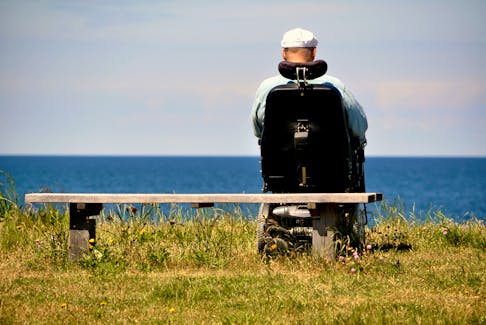
'I'm alive': St. John's woman felt like she was ripped from another world when she woke up from 18-hour invasive brain surgery
Updated 18 hours ago
|12 min read

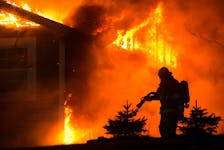
Paradise home destroyed by fire late Wednesday night but family escapes uninjured
Updated 23 hours ago
|6 min read
Housing project given provincial funding but denied by St. John's council because land cannot be currently developed
Updated 18 hours ago
|4 min read
N.L. Tories demand travel nurse cost breakdown
Updated 18 hours ago
|5 min read
Lawyer’s sexual assault trial in St. John's turns once again to allegations against police officer
Updated 18 hours ago
|5 min read
Local
More
Survivors of abuse by members of St. John's Archdiocese won't see their compensation yet
Updated 3 hours ago
|3 min read

Conception Bay South lawyer Robert Regular takes stand in sexual assault and sexual interference case
Updated 3 hours ago
|4 min read

Vehicles damaged, items stolen during Carbonear towing company break-in: RCMP
Updated 8 hours ago
|1 min read
St. John's Pitts Memorial Drive load limit reduced to 15 tonnes April 22-23
Updated 8 hours ago
|2 min read
RCMP arrest man for swinging weapon at driver in Glovertown
Updated 12 hours ago
|1 min read
Opinion
More
LETTER: Leave personal life out of politics
Updated 11 hours ago
|3 min read

LETTER: Christians supporting Donald Trump and other Right-wing politicians concerning
Updated 12 hours ago
|2 min read

LETTER: Weak apology for traumatizing those who are already traumatized
Updated 12 hours ago
|2 min read
LETTER: Questioning the N.L. government's ethics after 'provincial government official' tip
Updated 13 hours ago
|2 min read
LETTER: Carbon pricing works
Updated 14 hours ago
|2 min read
Business
More
N.L. gas prices up 3.5 cents overnight Thursday, April 18
Updated a day ago
|1 min read
Prices at the Pumps: An up and down week at the pumps
Updated a day ago
|1 min read

MONEY LADY PODCAST: How to author a wealthier life
Updated 6 hours ago
|1 min read
Cultural care: New long-term care facility opens in Eskasoni
Updated 17 hours ago
|8 min read
SYLVAIN CHARLEBOIS: The Trudeau paradox of more spending and more hunger
Updated 4 hours ago
|4 min read
Lifestyles
More
ERIN SULLEY: Have you seen the viral yogurt clusters? You’ll be drooling over these delicious chocolate strawberry treats
Updated a day ago
|6 min read

Filling an important role: Newfoundland and Labrador non-profit organizations discuss the value of volunteers
Updated a day ago
|8 min read

JOAN SULLIVAN: New Gwynne Dyer book an eye-opening look at climate change
Updated a day ago
|5 min read
BRUCE MACTAVISH: An Icelandic bird bonanza arrives in N.L. to the delight of birders
Updated Apr. 16, 2024
|5 min read
Sunny disposition: How to avoid and treat small dark spots on the skin called sunspots
Updated Apr. 16, 2024
|4 min read
Sports
More
Despite tough season, N.L. tourism minister says province sees value in investing in Marble Mountain, focusing on year-round operation
Updated 16 hours ago
|7 min read
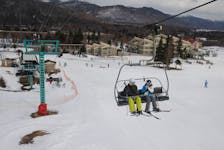
Four N.L. teams start Atlantic hockey tournaments on Thursday
Updated 17 hours ago
|2 min read

N.L. Sports Notepad: Travis Crickard is heading back to Team Canada bench
Updated Apr. 17, 2024
|7 min read
‘BOTTCHER BOMBSHELL:’ Alberta curling foursome set to move forward without skip
Updated Apr. 16, 2024
|3 min read
MLB roundup: Rangers hit three HRs, outslug Tigers
Updated 57 minutes ago
|2 min read
Canada
More
N.S. justice minister apologizes for saying domestic violence isn’t epidemic
Updated 7 hours ago
|3 min read
Bright Side
Hottest ticket in town: Cape Breton Eagles playoff fever continues
Updated 6 hours ago
|1 min read

Charlotte Street businesses brace for final round of downtown Sydney redevelopment
Updated 6 hours ago
|11 min read
Canada's capital gains tax rise will further knock productivity, say economists
Updated 9 hours ago
|2 min read
Gamon Leacock elects jury trial on charges from Halifax attacks on women
Updated 10 hours ago
|2 min read
World
More
No missile attack against Iran, Iranian official tells Reuters
DUBAI (Reuters) - Explosions heard in Isfahan were a result of the activation of Iran's air defence systems, an Iranian official told Reuters on Friday, adding that no missile attack was carried out against Iran. (Reporting by Dubai Newsroom)
Updated 6 minutes ago
|1 min read
Russia's Bashneft protects refineries with anti-drone nets, RIA says
Updated 16 minutes ago
|1 min read

Israeli military says sirens in northern Israel a false alarm
Updated 26 minutes ago
|1 min read
US aims to begin new North Korea sanctions monitoring regime by next month
Updated 6 minutes ago
|2 min read
South Korea set to adjust medical reforms in bid to end walkout, say media reports
Updated 56 minutes ago
|2 min read
Gun makers urge US Supreme Court to hear appeal in Mexico's lawsuit
Updated 1 hour ago
|2 min read
Recent Stories
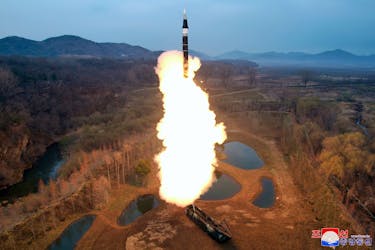
US aims to begin new North Korea sanctions monitoring regime by next month
Updated 6 minutes ago
|2 min read

South Korea set to adjust medical reforms in bid to end walkout, say media reports
Updated 56 minutes ago
|2 min read
Bitcoin slides below $60,000 on reports Israel strikes Iran
Updated 57 minutes ago
|1 min read
MLB roundup: Rangers hit three HRs, outslug Tigers
Updated 57 minutes ago
|2 min read
Gun makers urge US Supreme Court to hear appeal in Mexico's lawsuit
Updated 1 hour ago
|2 min read