
Top stories in Newfoundland and Labrador

Survivors of abuse by members of St. John's Archdiocese won't see their compensation yet
Updated 11 hours ago
|3 min read

Conception Bay South lawyer Robert Regular takes stand in sexual assault and sexual interference case
Updated 2 hours ago
|4 min read

'Used to bad news': Coalition of Persons with Disabilities N.L. say Canada's Disability Benefit not enough
Updated 19 hours ago
|5 min read
Paradise home destroyed by fire late Wednesday night but family escapes uninjured
Updated a day ago
|6 min read
Local
More
Survivors of abuse by members of St. John's Archdiocese won't see their compensation yet
Updated 11 hours ago
|3 min read
Children left in vulnerable situations due to high social worker vacancies, says NAPE
Updated 2 hours ago
|5 min read

Union, processors recommend DFO increase N.L. capelin quota amid calls for temporarily halting the fishery
Updated 1 hour ago
|5 min read
Vehicles damaged, items stolen during Carbonear towing company break-in: RCMP
Updated 15 hours ago
|1 min read
St. John's Pitts Memorial Drive load limit reduced to 15 tonnes April 22-23
Updated 15 hours ago
|2 min read
Opinion
More
LETTER: Leave personal life out of politics
Updated 19 hours ago
|3 min read

LETTER: Christians supporting Donald Trump and other Right-wing politicians concerning
Updated 19 hours ago
|2 min read

LETTER: Weak apology for traumatizing those who are already traumatized
Updated 20 hours ago
|2 min read
LETTER: Questioning the N.L. government's ethics after 'provincial government official' tip
Updated 21 hours ago
|2 min read
LETTER: Carbon pricing works
Updated 21 hours ago
|2 min read
Business
More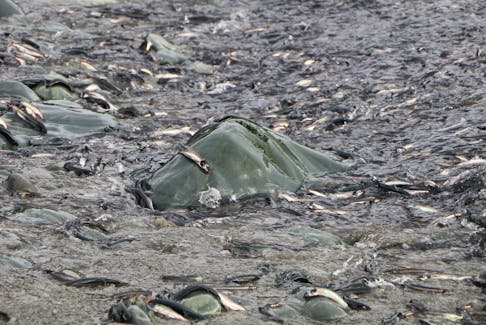
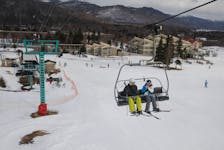
Despite tough season, N.L. tourism minister says province sees value in investing in Marble Mountain, focusing on year-round operation
Updated 23 hours ago
|7 min read
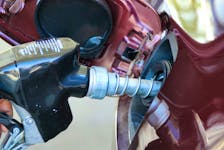
N.L. gas prices up 3.5 cents overnight Thursday, April 18
Updated a day ago
|1 min read
Prices at the Pumps: An up and down week at the pumps
Updated a day ago
|1 min read
MONEY LADY PODCAST: How to author a wealthier life
Updated 14 hours ago
|1 min read
Cultural care: New long-term care facility opens in Eskasoni
Updated a day ago
|8 min read
Lifestyles
More
ERIN SULLEY: Have you seen the viral yogurt clusters? You’ll be drooling over these delicious chocolate strawberry treats
Updated a day ago
|6 min read

Filling an important role: Newfoundland and Labrador non-profit organizations discuss the value of volunteers
Updated a day ago
|8 min read

JOAN SULLIVAN: New Gwynne Dyer book an eye-opening look at climate change
Updated a day ago
|5 min read
BRUCE MACTAVISH: An Icelandic bird bonanza arrives in N.L. to the delight of birders
Updated Apr. 16, 2024
|5 min read
Sunny disposition: How to avoid and treat small dark spots on the skin called sunspots
Updated Apr. 16, 2024
|4 min read
Sports
More
Despite tough season, N.L. tourism minister says province sees value in investing in Marble Mountain, focusing on year-round operation
Updated 23 hours ago
|7 min read
Four N.L. teams start Atlantic hockey tournaments on Thursday
Updated a day ago
|2 min read

N.L. Sports Notepad: Travis Crickard is heading back to Team Canada bench
Updated Apr. 17, 2024
|7 min read
‘BOTTCHER BOMBSHELL:’ Alberta curling foursome set to move forward without skip
Updated Apr. 16, 2024
|3 min read
Olympics-Australian swimmer Titmus in 'hibernation from life' before Paris
Updated 2 hours ago
|2 min read
Canada
More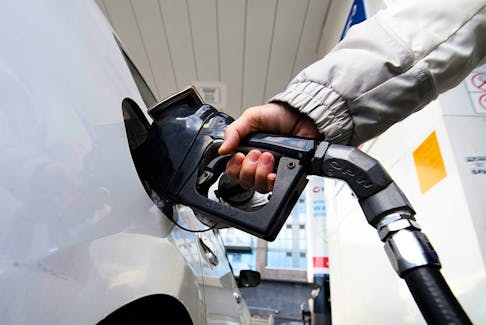
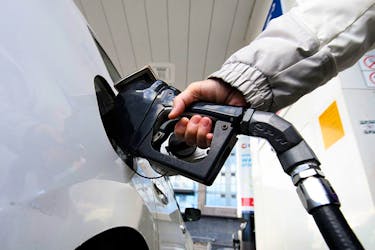
Gas prices go up in P.E.I. on April 19, 2024
It costs more to fill up on gas after the latest Island Regulatory and Appeals Commission (IRAC) pricing adjustment.
With the changes, which went into effect at 12:01 a.m. on April 19, IRAC said the price of regular gas increased by 4.0 cents per ...
Updated 1 minutes ago
|1 min read
Gas prices go up several cents overnight in Cape Breton
Updated 5 minutes ago
|1 min read

Video
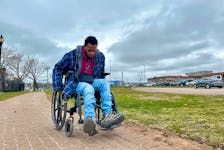
UPEI student raises concerns about campus accessibility challenges he’s faced for six years
Updated 19 minutes ago
|8 min read
Shortage of substitute bus drivers in P.E.I.'s French language school board
Updated 1 hour ago
|2 min read
Conditional sentence imposed on River Ryan man; Cape Breton court report for April 18, 2024
Updated 13 hours ago
|3 min read
N.S. justice minister apologizes for saying domestic violence isn’t epidemic
Updated 14 hours ago
|3 min read
World
More
Factbox-Iran oil sanctions in US aid package for Ukraine
Updated 7 minutes ago
|2 min read

Explainer-How freezing embryos plays a crucial role in IVF
Updated 7 minutes ago
|3 min read

Kremlin says staff of some govt departments are subject to foreign travel bans
Updated 37 minutes ago
|1 min read
Israel and Iran both have muted response to Isfahan attack
Updated 47 minutes ago
|3 min read
Leading Japan lawmaker seeks Trump meeting during New York visit, NHK reports
Updated 47 minutes ago
|2 min read
Recent Stories
American Express beats profit estimates on strong spending by wealthy customers
Updated 6 minutes ago
|1 min read
Ecuador set to vote to approve raft of security measures in Sunday referendum
Updated 6 minutes ago
|2 min read
Factbox-Iran oil sanctions in US aid package for Ukraine
Updated 7 minutes ago
|2 min read