
Top stories in Newfoundland and Labrador

‘I’ve never seen such a caring, generous group of people’: Outpouring of support for families of two Lark Harbour men who died while lobster fishing
Updated 19 hours ago
|6 min read

After many petitions, N.L. government says it will amend Limitations Act
Updated 19 hours ago
|3 min read

N.L. government ministers call tent city a ‘campsite,’ ‘protest’
Updated a day ago
|2 min read
PCs hammer Liberals for total cost of 2021 cyberattack
Updated a day ago
|5 min read
Taxi industry concerned about 'unlevel playing field' as Uber officially launches in province
Updated 19 hours ago
|7 min read
Local
More
'Flying planes by french fries': Come by Chance refinery fully operational; 50 years in the community
Updated 5 hours ago
|5 min read

Mallard Cottage and BDC make first court appearance
Updated 8 hours ago
|3 min read

Bonavista police investigating break-in, theft at Anglican Christ Church
Updated 8 hours ago
|1 min read
N.L. teams with national non-profit to establish $1.5M affordable housing fund
Updated 12 hours ago
|2 min read
Pair arrested, cocaine seized in Corner Brook drug bust: RCMP
Updated 14 hours ago
|2 min read
Opinion
More
MARTHA MUZYCHKA: Rough sex is climbing among young people, and we need to talk about it
Updated 15 hours ago
|5 min read

COMMENTARY: Social media companies and parents must help tech-addicted children
Updated 15 hours ago
|8 min read

LETTER: Getting more back in carbon rebate than we're spending
Updated 14 hours ago
|2 min read
LETTER: New Canadian Dental Care Plan ensures most low and moderate-income people have access to affordable dental services
Updated 14 hours ago
|4 min read
Cheers and Jeers for Newfoundland and Labrador April 23
Updated a day ago
|6 min read
Business
More
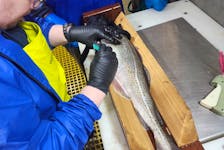
Time to double the quota? Owner of only N.L. fish plant to process exclusively northern cod thinks stocks are ready and is working to regain its position in global marketplace
Updated 16 hours ago
|7 min read
Roll Up to Win confusion: Cape Bretoners disappointed after Tim Hortons email mistake
Updated 7 hours ago
|6 min read

CBRM seeks land-use bylaw change for supportive housing units
Updated 19 hours ago
|5 min read
Five Corners Properties talk 3,000 unit housing project in Bible Hill
Updated a day ago
|5 min read
Deutsche Bank posts better-than-expected 10% rise in Q1 net profit
Updated just now
|1 min read
Lifestyles
More
JOAN SULLIVAN: Crisp and evocative writing in Donna Morrissey’s seventh novel, 'Rage the Night'
Updated 15 hours ago
|5 min read

Scary, exciting times: Some first-time buyers perservering despite frustrating market challenges
Updated 12 hours ago
|5 min read

Curious, not furious: How to manage a child's big emotions
Updated 12 hours ago
|5 min read
If the earth moves, does everybody feel it? Newfoundland and Labrador regularly has earthquakes but no one notices
Updated a day ago
|7 min read
'I was always the biggest film buff': 20 questions with award-winning N.L. filmmaker Christian Sparkes
Updated Apr. 22, 2024
|11 min read
Sports
More
Atlantic All-Star event in Halifax will showcase the region's top female basketball players
Updated a day ago
|4 min read

Tennis-Osaka doing her homework on clay ahead of French Open
Updated 30 minutes ago
|2 min read

On the ice with the pros: Mount Pearl girl hits ice as an anthem skater for PWHL game in Ottawa
Updated 6 hours ago
|4 min read
Golf-Woods, McIlroy to receive loyalty payouts from PGA Tour, report says
Updated 7 hours ago
|2 min read
TELUS CUP: GM Duane Richards the heartbeat of P.E.I.'s Kensington Wild
Updated 11 hours ago
|7 min read
Canada
More
Roll Up to Win confusion: Cape Bretoners disappointed after Tim Hortons email mistake
Updated 7 hours ago
|6 min read
AMANDA MCDOUGALL-MERRILL: Homelessness in CBRM reason for concern
Updated 8 hours ago
|5 min read

Former CBRM mayor to announce political plans in mid-May
Updated 9 hours ago
|2 min read
P.E.I. Health Coalition raises concerns over privatization threats to public health care
Updated 9 hours ago
|6 min read
Poached elvers still getting exported despite DFO busts and closed season
Updated 9 hours ago
|5 min read
World
More
China stands by economic data, says defence spending 'transparent'
By Liz Lee BEIJING (Reuters) - China defended the veracity of its economic numbers and asserted its military spending was "transparent and reasonable", while dismissing as "typical double standards" comments made this week by the head of the U.S.
Updated 39 minutes ago
|2 min read
US births retreat after pandemic-era growth
Updated 59 minutes ago
|2 min read

China should have confidence to talk to us, Taiwan's president-elect says
Updated 19 minutes ago
|2 min read

Clinical lab operator Labcorp to buy bankrupt genetic test maker Invitae for $239 million
Updated 2 hours ago
|1 min read
Australian police charge five teenagers in Sydney cleric's stabbing
Updated 3 hours ago
|1 min read
Thousands mark Anzac Day in Australia and New Zealand
Updated 1 hour ago
|2 min read
Recent Stories


Nestle misses quarterly sales estimates
Updated just now
|1 min read
Thai banks to cut rates by 25 bps for 'vulnerable groups', bankers' association says
Updated 9 minutes ago
|1 min read
Equinor Q1 profit beats forecast
Updated just now
|1 min read